Pittsburgh's comprehensive plan: Phase 3 explainer
The comprehensive plan went through four phases and is currently in the fifth

By Christopher Flowers
We are up to phase 3 of Pittsburgh’s comprehensive plan, Shared vision.
Pittsburgh’s comprehensive plan sets goals for the next 25 years — ones the city hopes will revitalize neighborhoods and increase business opportunities. In this multi-part series, we examine and understand how a list of 20 core topics were synthesized into five plan pillars, a shared vision of a scenario for planned development. (Those are the terms they use; it’ll make sense as you read through.)
The comprehensive plan went through four phases and is currently in the fifth:
Research (Phase 1 explainer)
Synthesis (Phase 2 explainer)
Shared vision
Scenario planning
Plans development
Pittsburgh’s online comprehensive plan hub says the goal is to express “a holistic, community-wide vision of the city’s future” that guides “how the city grows and makes improvements by developing goals and policies related to a range of land use, city services, and quality of life topics.”
Phase 3 ran from July through September 2025. The Pittsburgh 2050 website shows 10 vision statements reflecting “the voices of thousands of Pittsburghers imagining what we are capable of achieving over the next quarter-century, grounded in the very real challenges we face.” This phase charts a path toward “making bold decisions — embracing population growth, diversifying our economy, reimagining our mobility systems, and building more densely — leveraging our strengths while transforming challenges into opportunities.”
Each of the 10 vision statements begin with: “In 2050, Pittsburgh…”
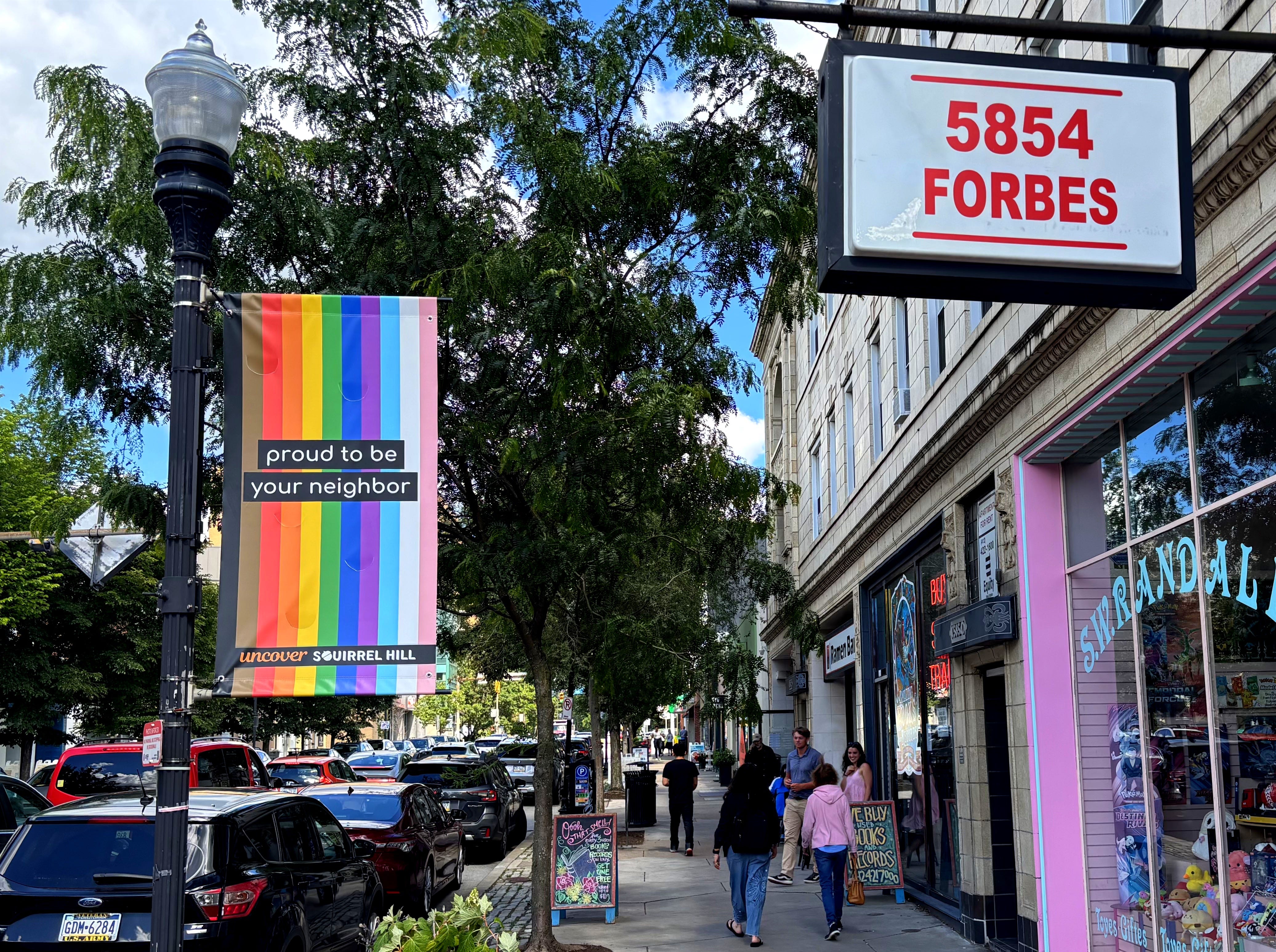
Welcomes more people while protecting who’s here
Pittsburg aims to be “more vibrant, diverse, and welcoming,” encouraging college graduates, middle class families, immigrants, refugees to remain in the community “and create real opportunities for all families, regardless of income and race.” The city wants to repair past and present harms, as “confronting racism and segregation is not just a morel responsibility, it is essential to growth.”
The plan must “repair places harmed by environmental injustice,” reduce race- and income-based segregation and “ensure equitable distribution of city services, facilities, and economic opportunities.”
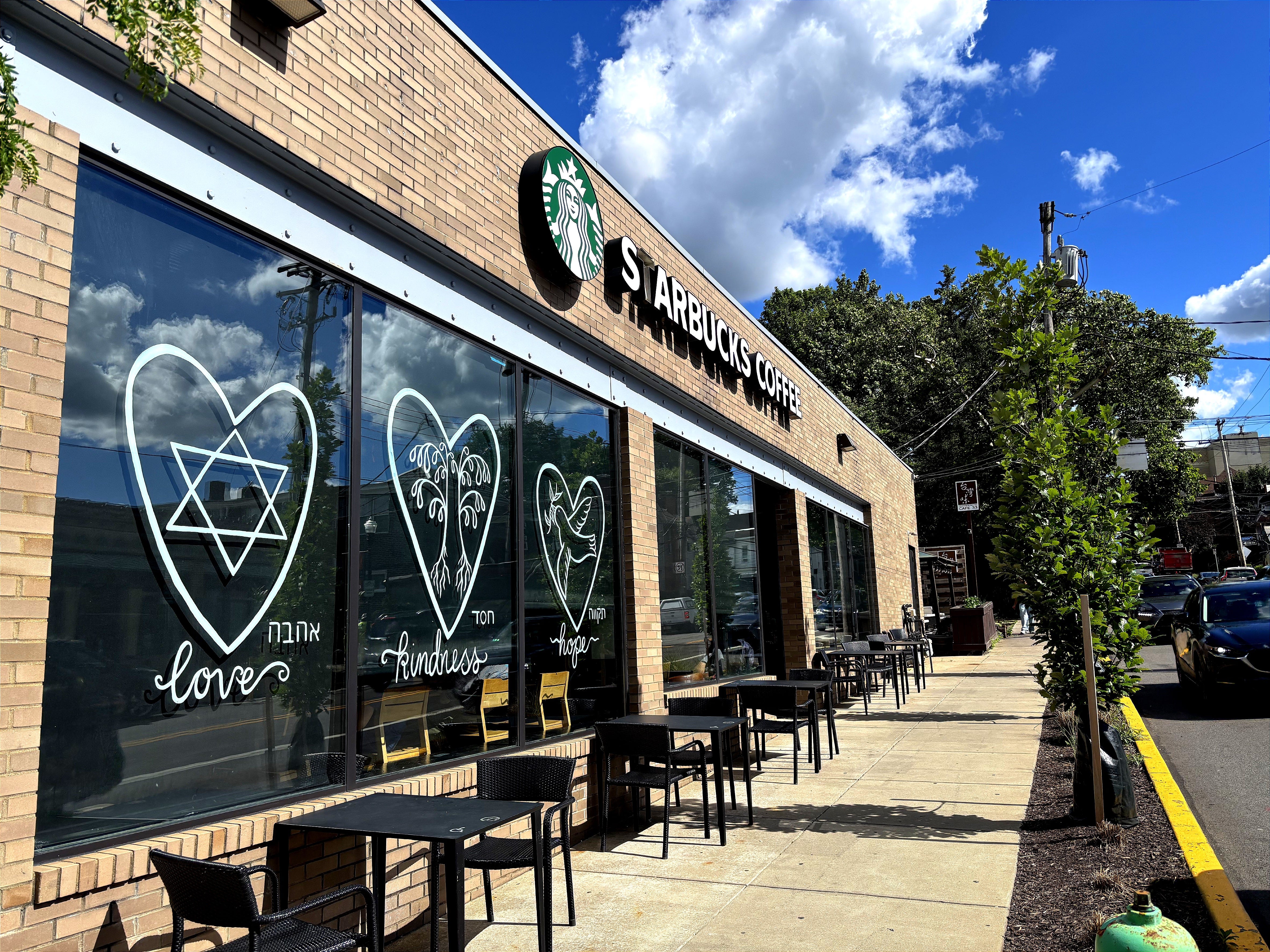
Adds diverse housing choices without losing neighborhood identity
Embracing higher density “in line with our natural landscape without losing our unique character,” proves that “Pittsburgh can grow and change without sacrificing quality of life or our identity.”
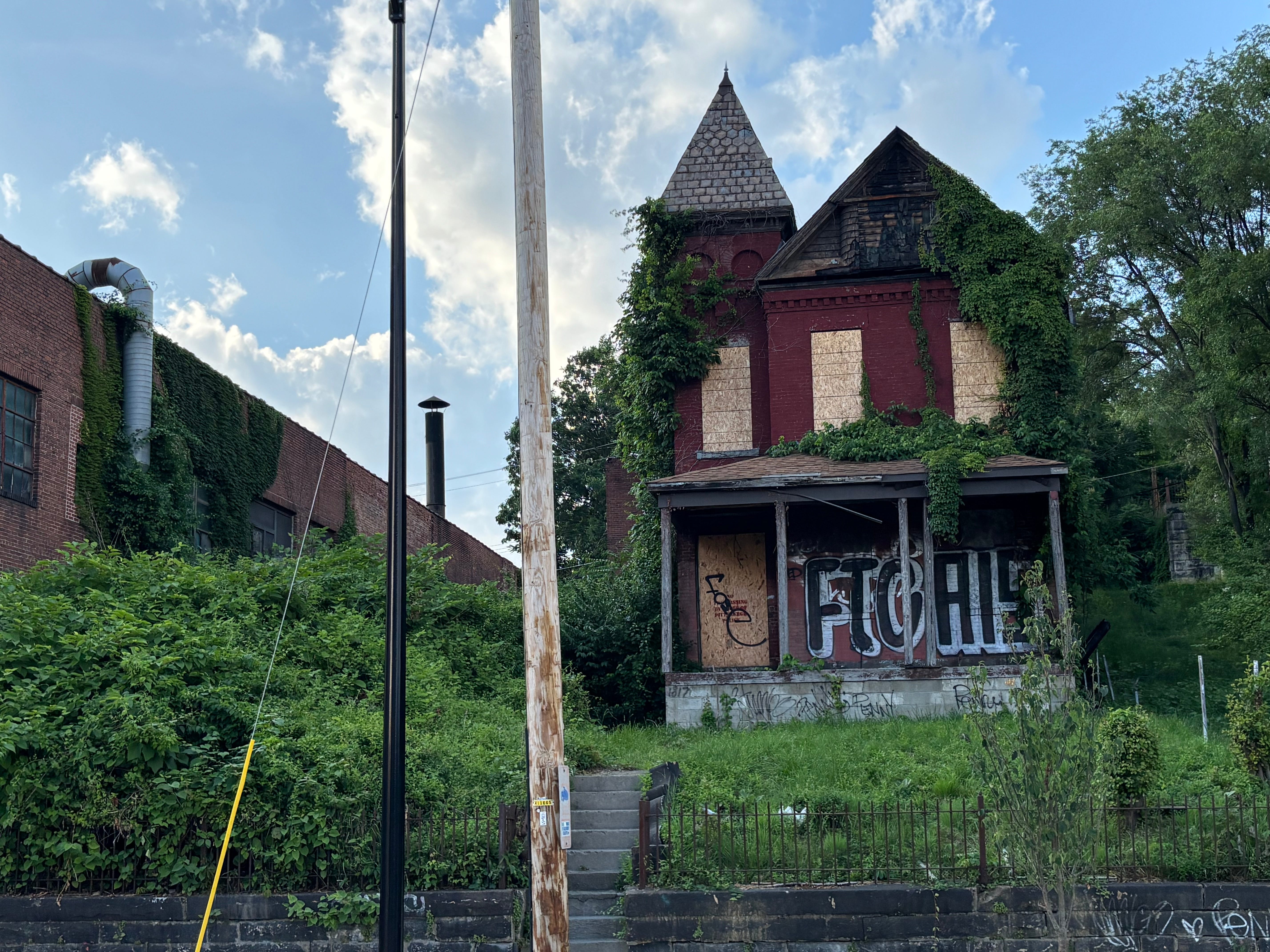
Creating more types of housing is vital for the comprehensive plan, to “prevent displacement of long-time residents, protect and expand affordability,” and streamline future development.
Builds the next great industries, as iconic as steel, as green as our hillsides
An “economic anchor,” Pittsburgh continues to grow in healthcare and education, “while leading innovation in tech, manufacturing, and the green economy.” By “investing in local talent and home-grown businesses,” the city will open up “different quality career opposites that allow Pittsburghers to succeed and advance.”
The plan will improve public infrastructures “that support business growth, strengthen job centers, and the mobility of workers and goods.” The city wants to expand access to living-wages jobs through workforce training,” and invest in the digital infrastructure “needed to future-proof its economy and workers.”
Makes it easy to get around
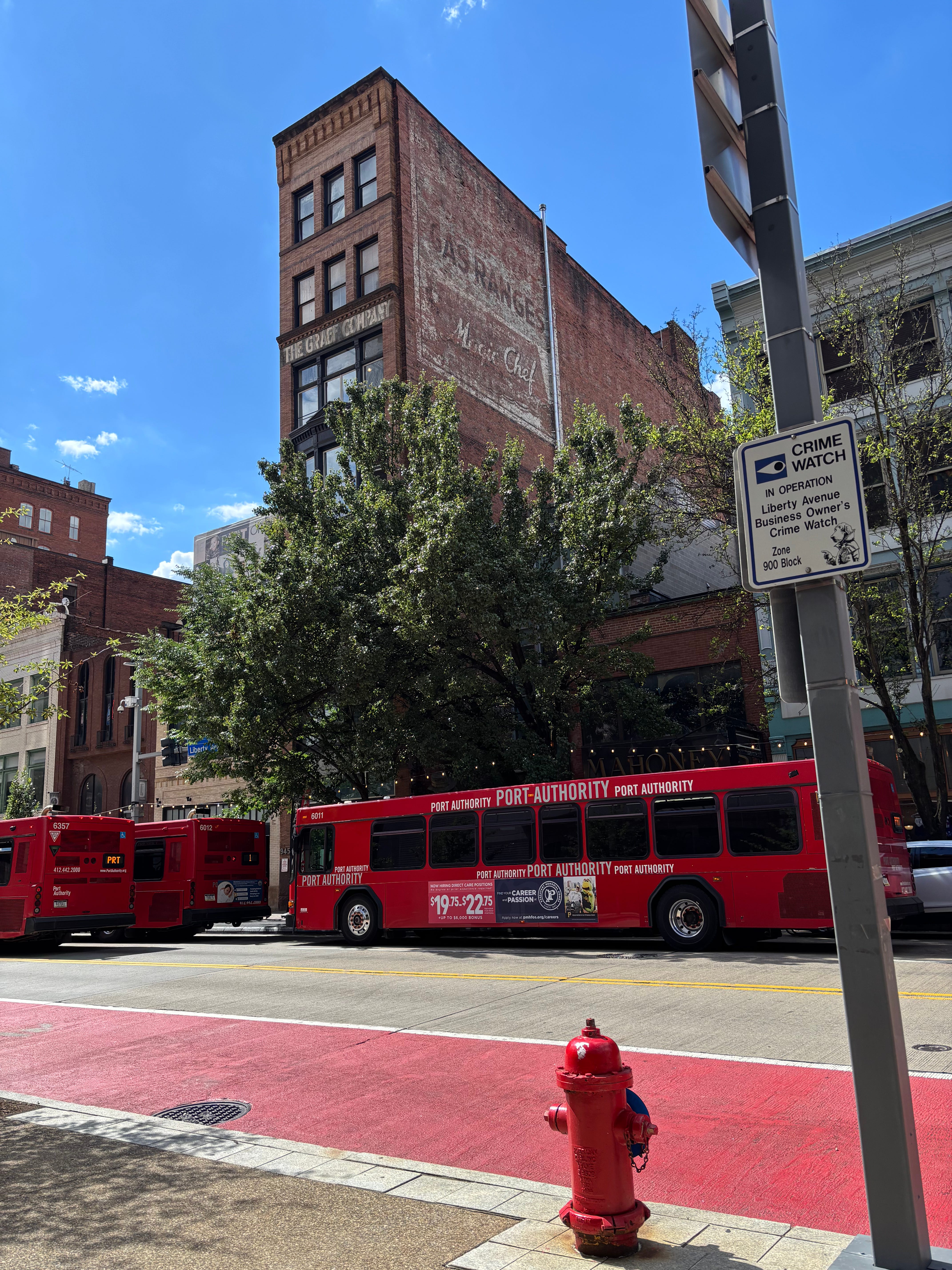
Building on “our legacy as a city of bridges, inclines and tunnels,” the comprehensive plan sees a “next-century transportation system tailored to our hills, rivers, and neighborhoods.” Increasing options for public transit, “a future where cars don’t have to be the most convenient way to get around,” can “support and sustain safe, high-quality transit for the future.”
Keeps rivers clean, air breathable & hillsides safe
Restored hills, valleys, rivers, and trees “act as a natural defense against flooding, landslides, and more extreme weather.” The city is connected to its environment, “using our rivers and greenways through every season and adapting public spaces and arks to help manage stormwater and climate challenges.”
Pittsburgh wants to establish “no-build zones,” and explore relocation from hazardous areas. A “transition to clean energy and climate-resilient infrastructure” is a goal, along with making the rivers and drinking water cleaner.
Closes quality of life gaps so all Pittsburghers thrive, not just survive
Building a city that offers healthy, affordable, and diverse food options is a priority, along with accessible streets, parks, public spaces, and transit — “the lifeblood of the city, connecting people who look out for one another.”
The comprehensive plan must include future land use recommendations that “make communities safer through the design of the built environment, violence prevention strategies, and community-led solutions.”
Lifts up every culture as Pittsburgh pride and identity
Pittsburgh wants to build on its “existing educational and cultural assets to become a city of lifelong learners, artists, makers, and culture enthusiasts.” Families are “eager to live here for high-quality public educational opportunities for their children and young people stay because they see themselves in the city’s future.”
Coordinates across sectors, systems, and geographics
Decisions about housing, transit, climate, and growth “are made holistically, moving the city in a clear and intentional direction. The city’s public sector agencies “work effectively together and actively coordinate the city’s robust network of institutions, philanthropies, and nonprofits, reducing inefficiencies and leveraging each others strengths to deliver meaningful benefits to residents.”
Governs with trust, accountability, and vision
The Pittsburgh government of 2050 is “visionary and accountable,” supporting each neighborhood with “racial and economic equity at the heart of decision-making.” Repairing the harms of “past policies” and ensuring “impacted communities lead the way” in becoming “active co-creaters of policies plan, and projects that affect their daily lives.”
Future land-use recommendations must “create more efficient and streamlined processes while balancing meaningful community input,” and the government must hold itself “accountable through measurable progress.”
Powers a bold future
Having a “strong, reliable budget with diverse revenue sources that free us from the uncertainty of shrinking or volatile funding” is how Pittsburgh sees the city of 2050. Dreaming big, “while expanding opportunities for neighborhoods, services, and workforce development,” is how to give Pittsburgh a “stable and growing population that strengthens our tax base.”
. . .
That is a look at the Shared vision phase of Pittsburgh’s comprehensive plan. The Pittsburgh 2050 website is worth checking out on its own; the reports aren’t long, and are broken up into readable chunks.
In the next installment, we will look at phase 4, Scenario planning.