COMMENTARY: Pittsburgh must become ‘Climate-Ready City’ from comprehensive plan
Pittsburgh must be proactive when it comes to climate change

The Point welcomes all views and opinions, so long as they are grounded in fact and civil in nature. Comments that drive debate are appreciated and encouraged. Interested in having an op-ed or book review published? Submissions are welcome, and there are paid opportunities for original reporting. Inquire for more information.
By Christopher Flowers
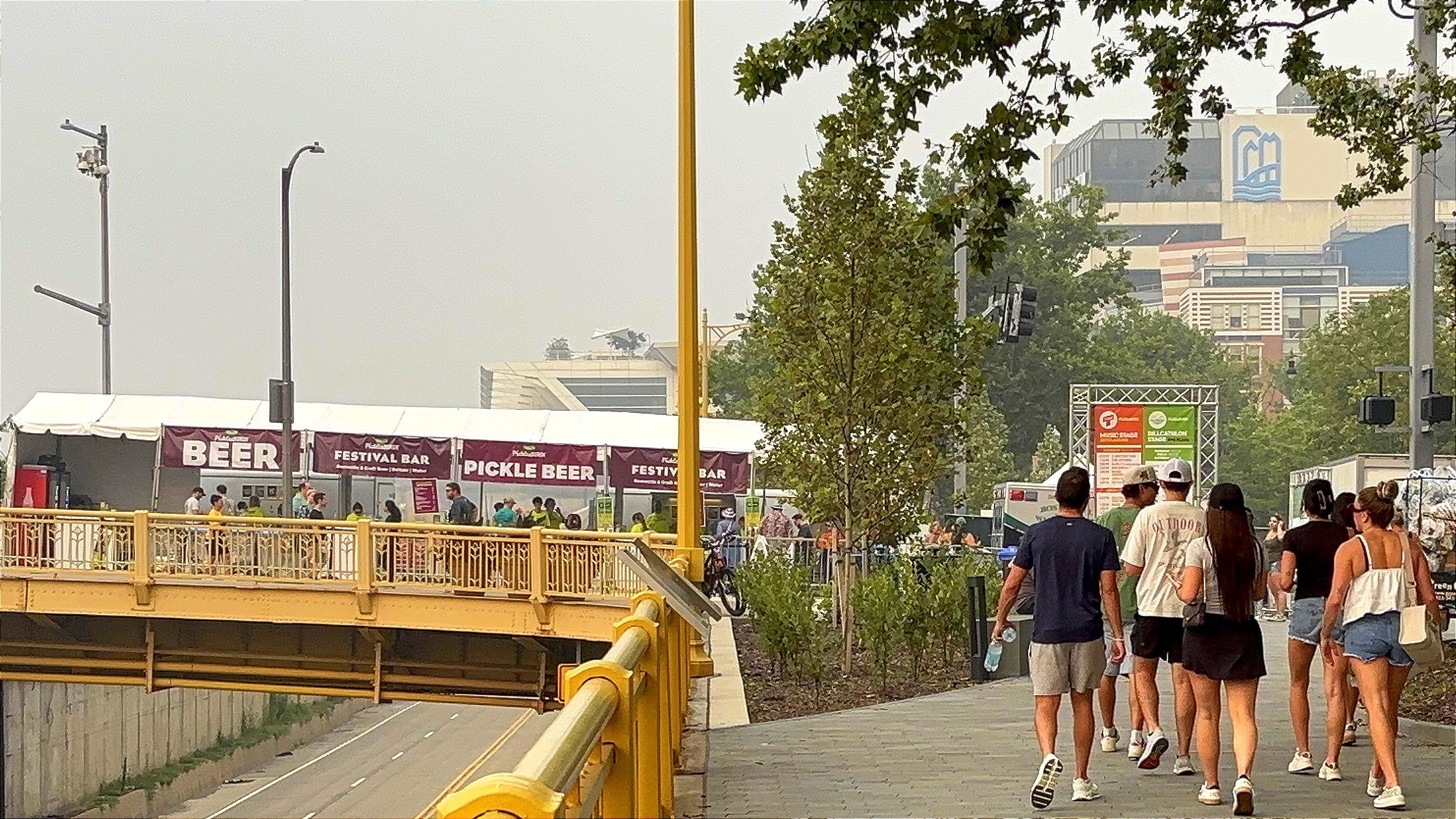
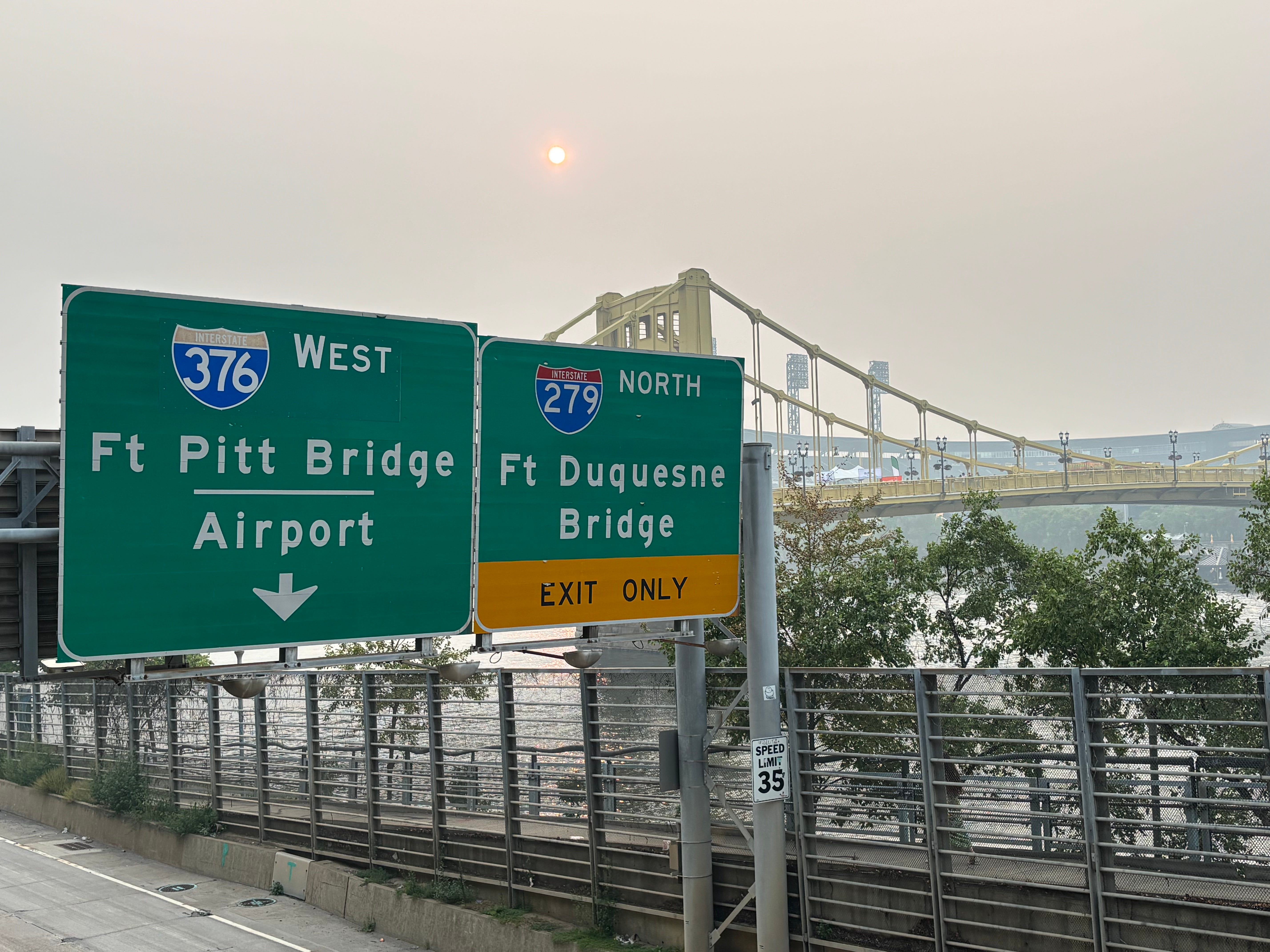
Picklesburgh was a haze — and it had nothing to do with being a registered medical marijuana patient. Due to the wildfire smoke that enveloped our pickle festival, Pennsylvania issued a Code Purple Air Quality Alert. It said “all residents should avoid long or intense outdoor activities, and sensitive groups … should avoid all outdoor activities.”
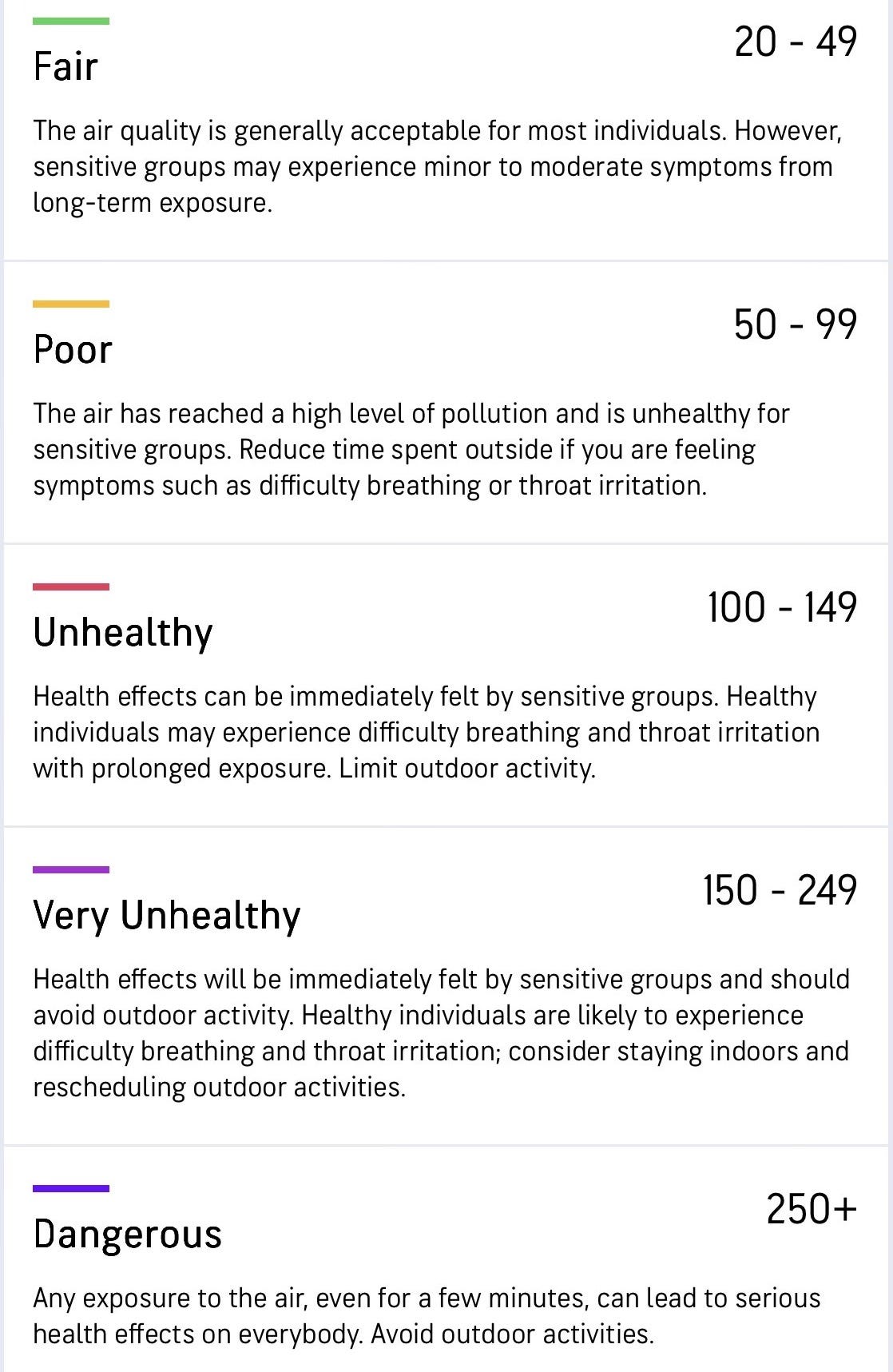
Is it sinking in that this is the new normal? The wildfire haze happened last summer, and it will happen again. A few weeks before the pickle festival, extreme heat canceled the annual furry fandom parade.
Dr. Alexander Azan, an assistant professor of population health and medicine at NYU Langone Health, told CBS News that if “we keep being exposed to this level of air pollution over time, that increases our risks down the road for developing chronic health conditions.”
Additional reading:
Causes and Effects of Climate Change (United Nations)
Effects of Climate Change on Health (U.S. Centers for Disease Control and Prevention)
Ten Signs of Climate Change (Union of Concerned Scientists)
What is climate change: Facts for kids (National Geographic Kids)
What will Pittsburgh look like in 25 years?
How unsafe will the environment be in 10 years? Or 15? Segue to… what will Pittsburgh look like in 25 years? The city is working on a comprehensive plan for 2050 to revitalize neighborhoods and increase business opportunities. It’s a rough draft, in its fifth and final phase, to be finalized in August.
“Today, Pittsburgh is facing profound social, economic and climate change,” from Cityfi, the transportation lead consultant of the comprehensive plan. “Pittsburgh 2050 is a multidisciplinary plan for growth and change management over the next two decades” and establishes “an actionable, prioritized strategy for policy and investment to build a sustainable future for the city.”
Learn more:
Pittsburgh’s comprehensive plan
The Point w/ Christopher Flowers
Research (Phase 1 explainer)
Synthesis (Phase 2 explainer)
Shared vision (Phase 3 explainer)
Scenario planning (Phase 4 explainer)
Plans development (Phase 5 explainer)
Pittsburgh allocated $6 million to the comprehensive plan, and the Heinz Endowments donated $750,000. More funding should come once this has attainable goals.

Phase 1, Research, began in October 2024 and ended the following January. During that time period, 20 topic areas were created that show “conditions and trends in Pittsburgh and help frame how the city has changed over time, where it stands today, and where trends suggest it is heading.” Phase 2, Synthesis, merged those 20 topic areas into five “plan pillars” to “identify areas of progress that should be prioritized.” Phase 3, Shared vision, expanded on the pillars to create 10 vision statements reflecting “the voices of thousands of Pittsburghers imagining what we are capable of achieving … grounded in the very real challenges we face.”
Additional reading:
Comprehensive Plans – What’s the Benefit? Why Should I Care? (MSA Professional Services)
From Vision to Action: Crafting a Comprehensive Plan that Delivers Results (Barton & Loguidice)
The Evolution of the Comprehensive Plan (Lincoln Institute of Land Policy)
What the fight over Minneapolis 2040 says about Minneapolis 2018 (Minn Post)
‘Stress test the big ideas’
Scenario planning, Phase 4, addresses how highly the city will prioritize protecting against climate change. It considers different possibilities for the future and includes three scenarios, labeled A, B, and C. Work on this phase began in October 2025 and wrapped in January. The scenarios were “informed by all of the comprehensive planning work to date,” and “designed to help us stress test the big ideas and major policy drivers that will shape the direction of Pittsburgh’s growth.”
Scenario A: The Attainable City “prioritizes population growth, accommodated through more housing and increased density as the primary driver of the city’s economy by creating a diverse mix of attainable housing, supporting anti-displacement efforts, and investing in community resources.”
Scenario B: The Prosperous City creates “job and business growth by expanding economic centers while housing and infrastructure follow to connect people to these opportunities.”
Scenario C: The Climate-Ready City imagines a Pittsburgh in 2050 committed to “expanding and upgrading critical infrastructure to prepare for a more resilient future and repair environmental harms in ways that center equity, health, and sustainability.”
Additional reading:
‘A Perfect storm’: Smoke chokes Pittsburgh’s air over weekend (USA Today)
Pittsburgh air pollution levels hit second-highest all time since measuring began in 1999 (WESA)
Haze over Pittsburgh from wildfire smoke: See the video (WTAE)
Letter to the editor: Air quality is life quality (the Pittsburgh Post-Gazette)
Prioritizing protecting Pittsburghers
My 2nd grade teacher showed the class a documentary about polar bears. It ended on an ominous note that if we didn’t protect the environment, their habitat would melt and they wouldn’t survive. That was 30-plus years ago. Have you watched a polar bear documentary lately? We’re not yet to the “won’t survive” part, but those melting glaciers are part of their habitat.
If you don’t believe in climate change, ask yourself: Do you see this getting better? Every summer is hotter than the last. Coral reefs are dying because the ocean is too hot. People in areas accustomed to life without air conditioning are dying.

Pittsburgh must do its part to properly plan for the future by emphasizing Scenario C of Phase 4 in the comprehensive plan. It must be done in a way that, to quote Phase 2, creates “Resilient Infrastructure,” with a “Thriving Community Culture & Wellbeing,” to create “Empowered & Engaged Pittsburghers.” To quote Phase 3, we can be a climate-ready Pittsburgh that “Welcomes more people while protecting who’s here,” a community that “Keeps rivers clean, air breathable & hillsides safe.”
Phase 3 includes a provision that anyone we elect “Governs with trust, accountability, and vision.” Is Mayor Cory O’Connor prioritizing protecting Pittsburghers from the dangers of climate change? This is about more than a hazy pickle festival. This is about a city where it is becoming too hot to comfortably enjoy its outdoor amenities and facilities. It will get worse, unless we all act now — let’s spend the next 25 years creating a “Climate-Ready City.”
Additional reading:
Why Should I Do It? (Climate Responsible)
Advocacy group finds ‘widely-recyclable’ Starbucks cups end up in landfills (The Point)
Ten simple choices for a healthier planet (National Ocean Service)
12 ways to help the environment as a business or individual (Forest Stewardship Council)
The president doesn’t care
I mean, at this point, what more can I say about the current administration and how dangerous it is to the environment?
Additional reading:
How is US President Trump impacting global climate action? (Amnesty International)
White House Watch: Tracking Attacks on Our Environment & Health (Natural Resources Defense Council)
The long list of Trump Administration attacks on our environment (Clean Wisconsin)
Unprotecting American Lands: How Trump Is Dismantling America’s Bipartisan Conservation Legacy (Center for American Progress)
Endangered Species Act’s “harm” rule, explained: What the change means for wildlife (Stanford Law School)
How Trump and Congress Are Attacking the Endangered Species Act – and What You Can Do (Earthjustice)
Long before Trump: How US policy has harmed the environment for decades (Al Jazeera)
It’s no longer illegal to destroy the one thing endangered species need most to survive (Vox)
Inside Trump’s campaign to censor climate science (Grantham Research Institute on Climate Change and the Environment)
President Trump Delivers Biggest Regulatory Relief in History (the White House)
. . .